Design 2A Systems Section 1 Tuesday

Mason Gross School of the Arts, Rutgers University, Fall 2020
Instructor: Robin Cameron – robin.cameron@rutgers.edu
Times: Tuesdays 9:50 am — 4:10pm
Duration: September 1st, 2020— December 8th, 2020
Office Hours: By appointment only
Description
Process
Projects
Are.na
Software
Grading
Class Structure
Policies
Design 2A Systems Section 1 Tuesday
Process
Projects
Are.na
Software
Grading
Class Structure
Policies
“The whole is more than the sum of its parts” — taken from Gestalt Psychology.
This course will expand your abilities to create systems that solve problems in communication design. Through the projects that will be explored in class, you will be able to solve complex puzzles and develop your solutions into multi-part design systems. Taking into consideration not only the whole (macro view) but also the parts (micro view), both these perspectives will be important for your work.
Together, we will build on the skills and techniques that you have learned in your first year design courses, adding to the typographic rules and graphic structures that are standard. The design fundamentals are a framework that we will utilize as you discover your unique perspective and voice.
The projects we will work on during the semester will be a context for your visual tastes, processes and experimentation that will shape your overall approach to design. Through each project you will be able to gain confidence with your problem-solving skills and innovative approaches to communication. There will be a focus on finding a common language to discuss your work as well as others, and being able to identify the clues that are left behind by the designer in their work.
You may consider: unconventional approaches, risk-taking in your work as well as searching for inspiration from a myriad of sources in design and art history. Systems can be found in many forms in our world, from ecosystems, to architecture, to technology and science. Perhaps you will find these meaningful to use as you consider the logic of your approach.
The course will challenge your thinking, and execution of your work, as well as how you bring a thoughtfulness, cohesion and meaning to the projects. You will have class time to work, as well as participate in lectures, readings and class discussions. There will be examples that come from me as well as presentations from your fellow students to share design that we feel is relevant to the projects at hand. There will be some technical methods demonstrated as well as practical hands on understanding of how to produce your projects. We come to a the class as an space of collaboration where we can all contribute our knowledge in the service of learning.
This course will expand your abilities to create systems that solve problems in communication design. Through the projects that will be explored in class, you will be able to solve complex puzzles and develop your solutions into multi-part design systems. Taking into consideration not only the whole (macro view) but also the parts (micro view), both these perspectives will be important for your work.
Together, we will build on the skills and techniques that you have learned in your first year design courses, adding to the typographic rules and graphic structures that are standard. The design fundamentals are a framework that we will utilize as you discover your unique perspective and voice.
The projects we will work on during the semester will be a context for your visual tastes, processes and experimentation that will shape your overall approach to design. Through each project you will be able to gain confidence with your problem-solving skills and innovative approaches to communication. There will be a focus on finding a common language to discuss your work as well as others, and being able to identify the clues that are left behind by the designer in their work.
You may consider: unconventional approaches, risk-taking in your work as well as searching for inspiration from a myriad of sources in design and art history. Systems can be found in many forms in our world, from ecosystems, to architecture, to technology and science. Perhaps you will find these meaningful to use as you consider the logic of your approach.
The course will challenge your thinking, and execution of your work, as well as how you bring a thoughtfulness, cohesion and meaning to the projects. You will have class time to work, as well as participate in lectures, readings and class discussions. There will be examples that come from me as well as presentations from your fellow students to share design that we feel is relevant to the projects at hand. There will be some technical methods demonstrated as well as practical hands on understanding of how to produce your projects. We come to a the class as an space of collaboration where we can all contribute our knowledge in the service of learning.
Process of Learning
We will discuss your work and process as we move through the semester:—Check ins — present your ideas, sketches and iterations, one-on-one
—Process Critiques — presentation of your work in process for constructive feedback
—Final Critiques — presentation of finished projects to the class
Projects
1. Alphabet2. Identity
3. Book
4. Information Design
5. Résumé / Portfolio PDF / Presentation
Software
Adobe Creative Cloud, Are.na, Slack, ZoomHardware
A small budget ($50) to print your book from on demand publishersThe grading system is:
- A: 94–100 Outstanding performance, work excels in all areas
- B+: 87–93 Very good performance, work excels in many areas
- B: 80–86 Exceeding basic expectations for all assignments
- C+: 73–79 Above average performance
- C: 66–72 Average performance
- D: 60–65 Less than satisfactory performance
- F: 0–59 Failure
Evaluations
-
Projects will contribute to the course grade as follows:
- 20% Alphabet Project
- 25% Identity
- 25% Book
- 15% Infographic Poster
- 5% Portfolio PDF, Résumé
- 10% Participation, Attendance, Are.na & Presentation
Typical Class Meeting
9:50am announcements, lecture or demo, full class on Zoom10:30am student presentation, full class on Zoom
10:45am check-ins with Robin (sign up on Canvas)
1:00pm lunch break
1:30pm work independently, message as needed on Slack
3:00pm reading discussion, share work, give/get feedback from peers, full class on Zoom
4:10pm class ends
Zoom Links
Tuesday Morning 9:50am - 1pm LinkTuesday Afternoon 3pm - 4:10pm Link
Week 1
Tuesday September 1st
— Introductions— Syllabus Overview
— Sign up for Are.na and create your sketchbook
— Join the slack channel
— familiarize yourself with Canvas
— Go over Readings and Homework
—Start alphabet, Alphabet handout
— Alphabet brief lecture
—Info about Book Project (Content Event or Collection)
Week 2
Tuesday September 8th (no class)
— Happy Labor Day!— University designates that Monday classes meet
Week 3
Tuesday September 15th
—Reading Discussion,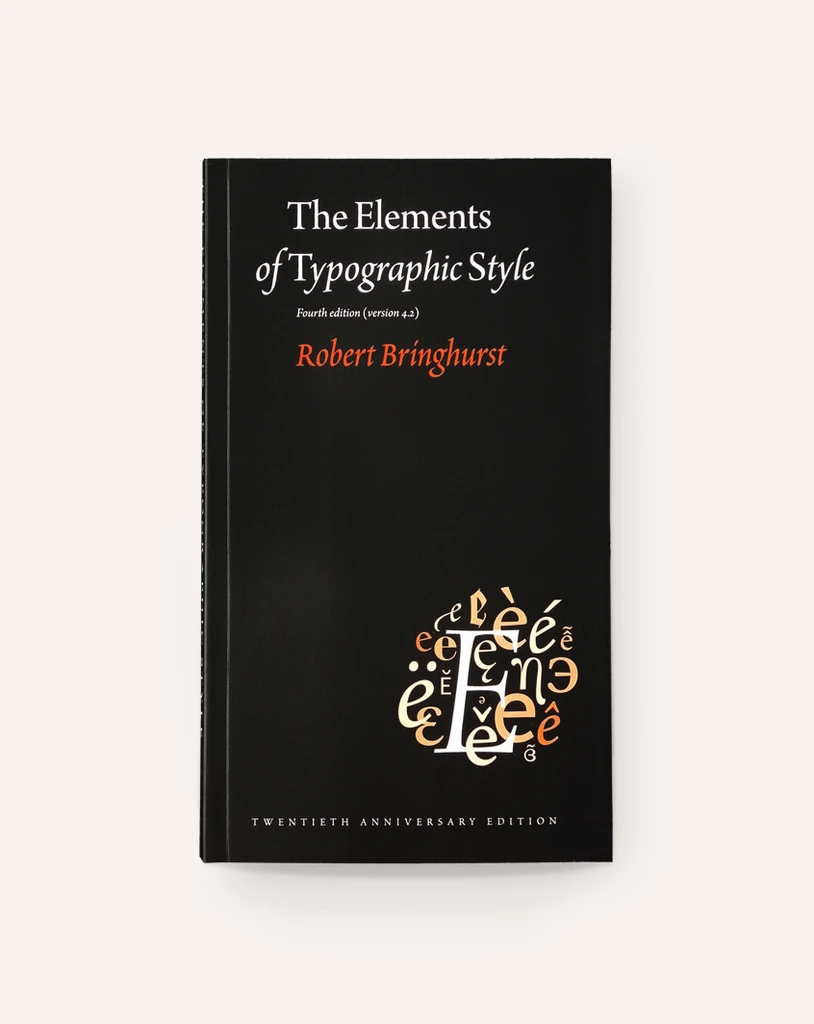
— Reading Discussion,
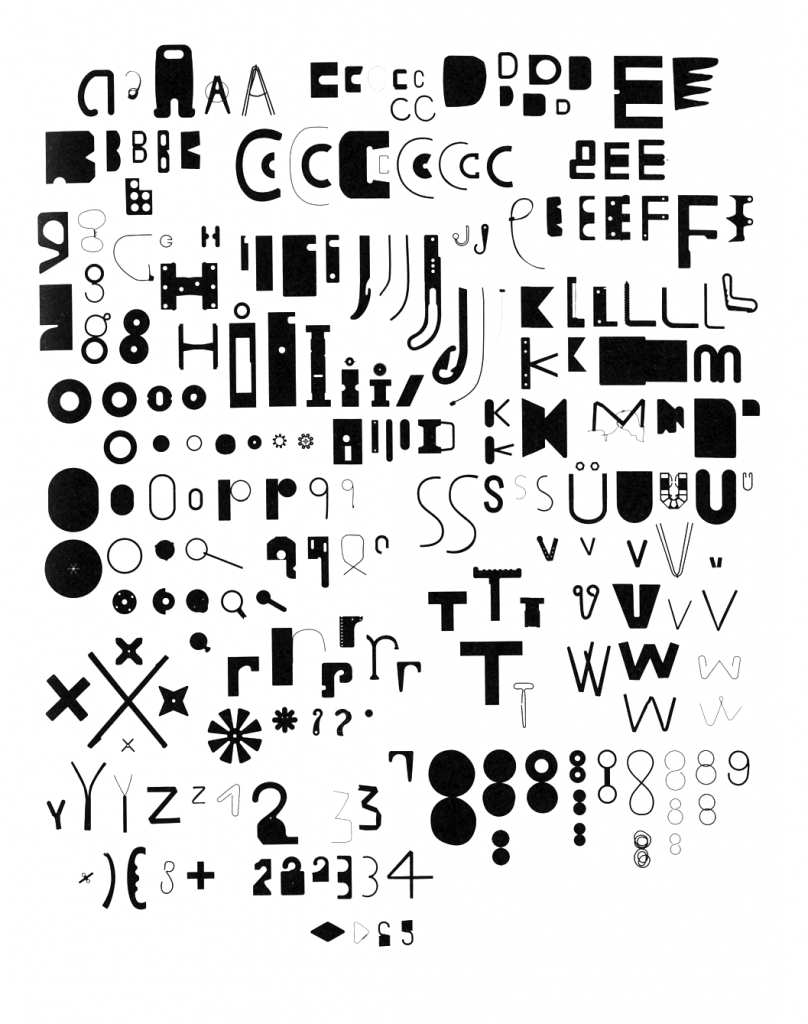
—Read three interviews from

—Present proofs of some alphabet work
—Start identity
—Introduction to book project, think about content
Week 4
Tuesday September 22nd
—Reading Discussion,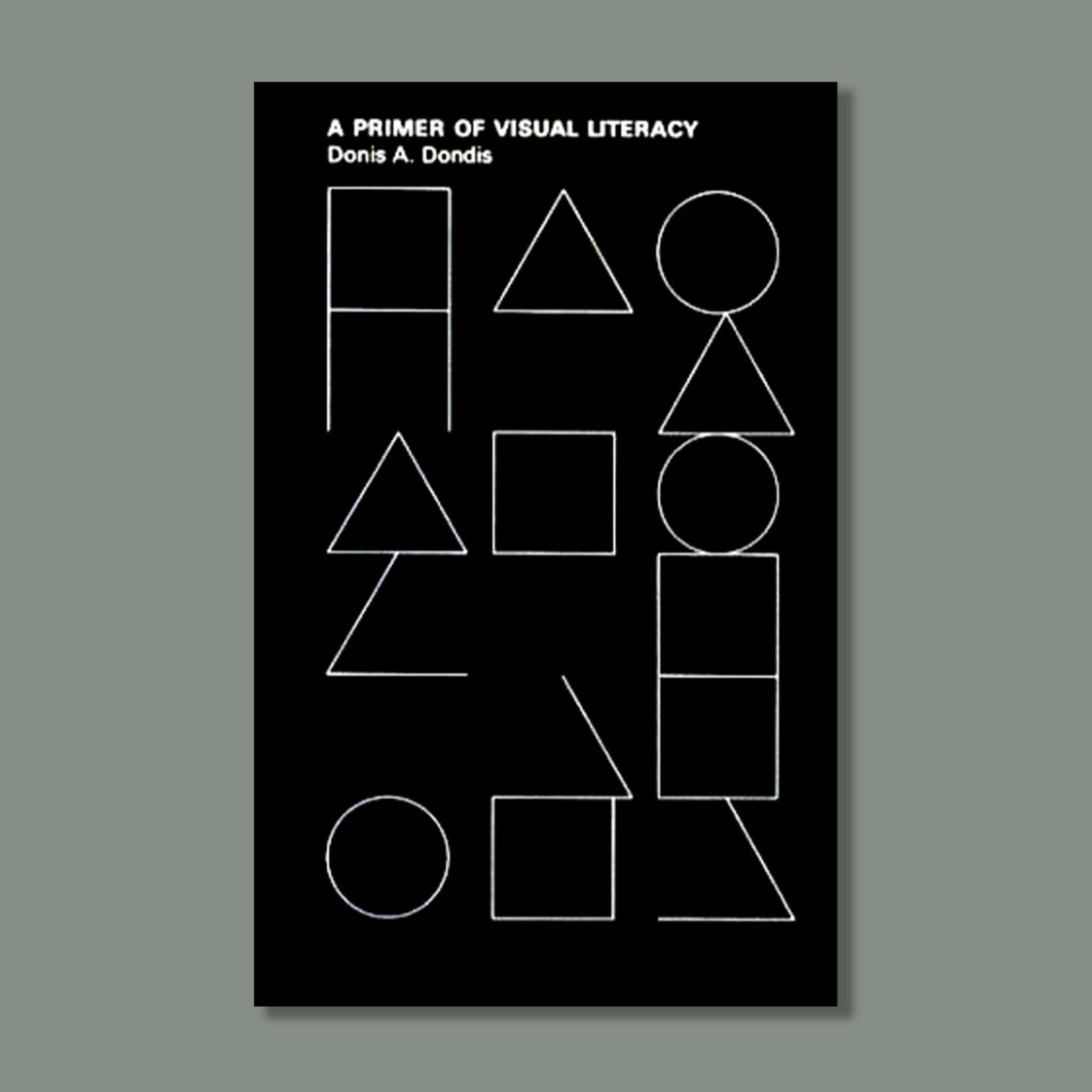
—Reading Discussion,

—Reading Discussion,

— Work on Identity project, check ins, 1st draft of identity, 2 options as style tiles
— In class demo typesetting for resume
Week 5
Tuesday September 29th
—Reading Discussion,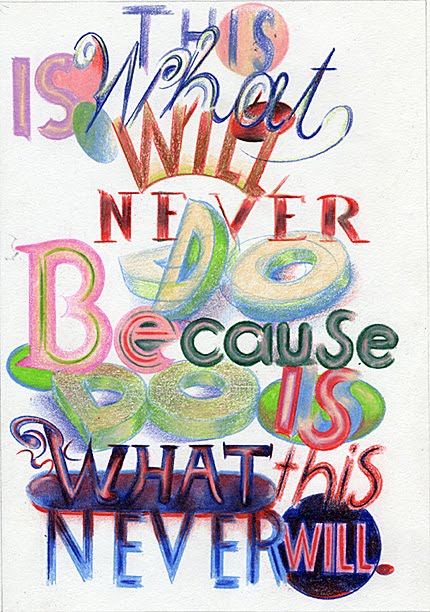
— Reading Discussion,
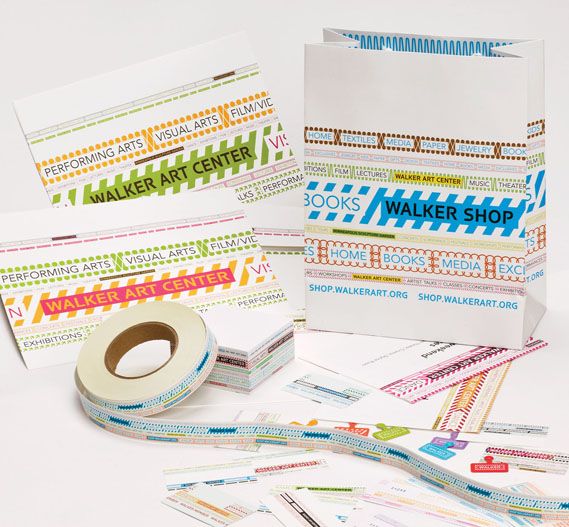
— Exercise Drawing upside down
— Work on identity, revisions to 1st draft
— Present progress on alphabet critique
Week 6
Tuesday October 6th
—Reading Discussion,
—Reading Discussion,
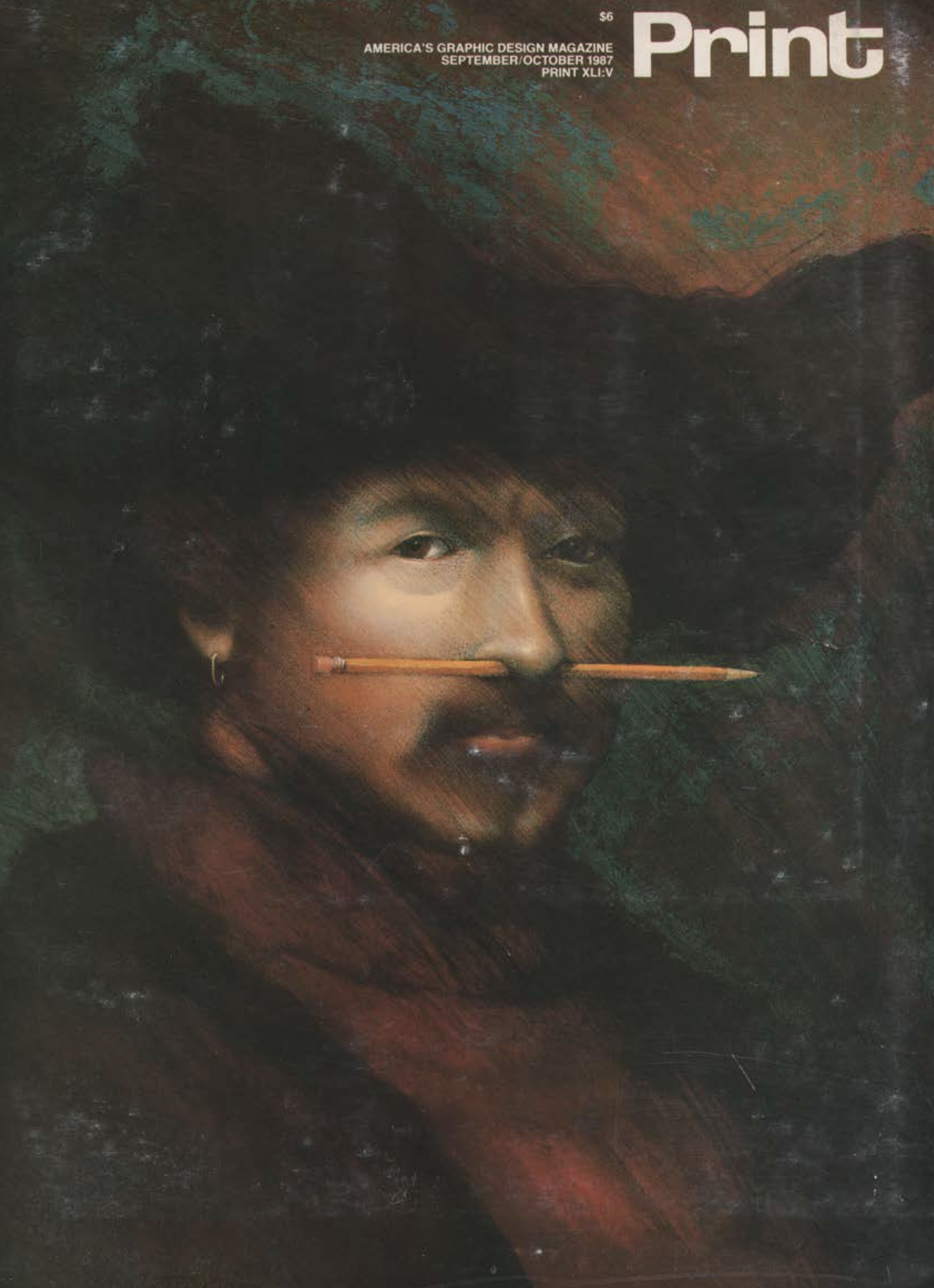
—Read the overview

—Go over book content, final content due in two weeks October 20th
—Work on identity 2nd draft, direction chosen
Week 7
Tuesday October 13th
—Reading discussion
—Reading discussion
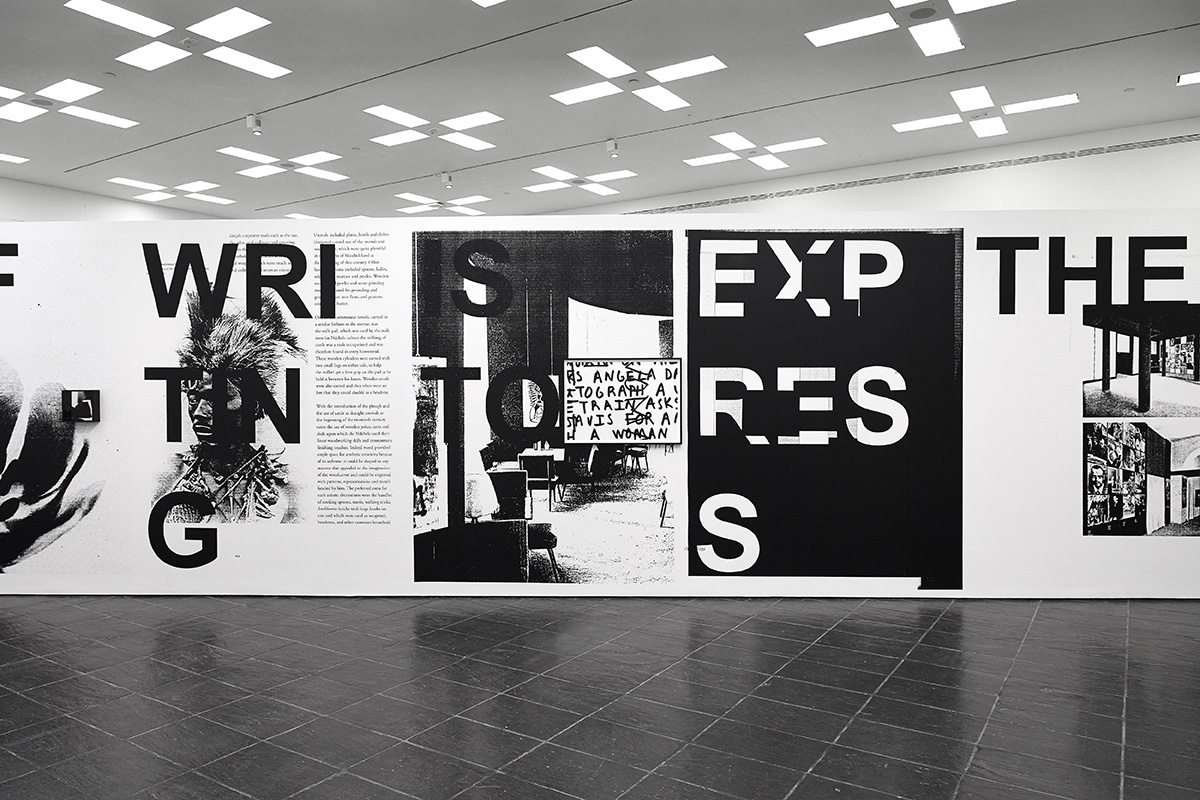
—Look at
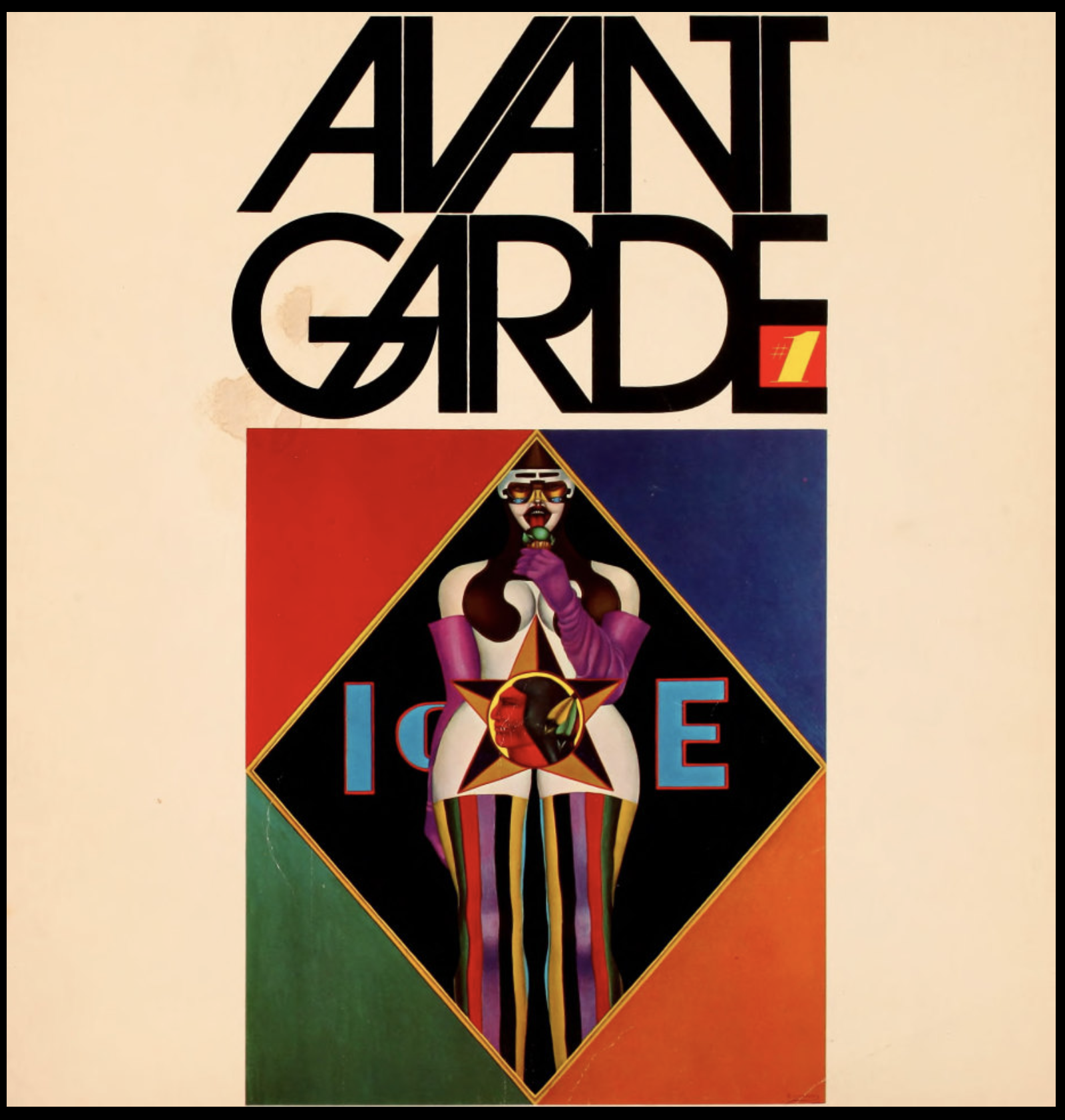
— Exercise show and tell a designed object that you have in your life that functions exquisitely and talk about why
—Work on identity, revisions to direction
—Final resume due
Week 8
Tuesday October 20th
—Reading discussion,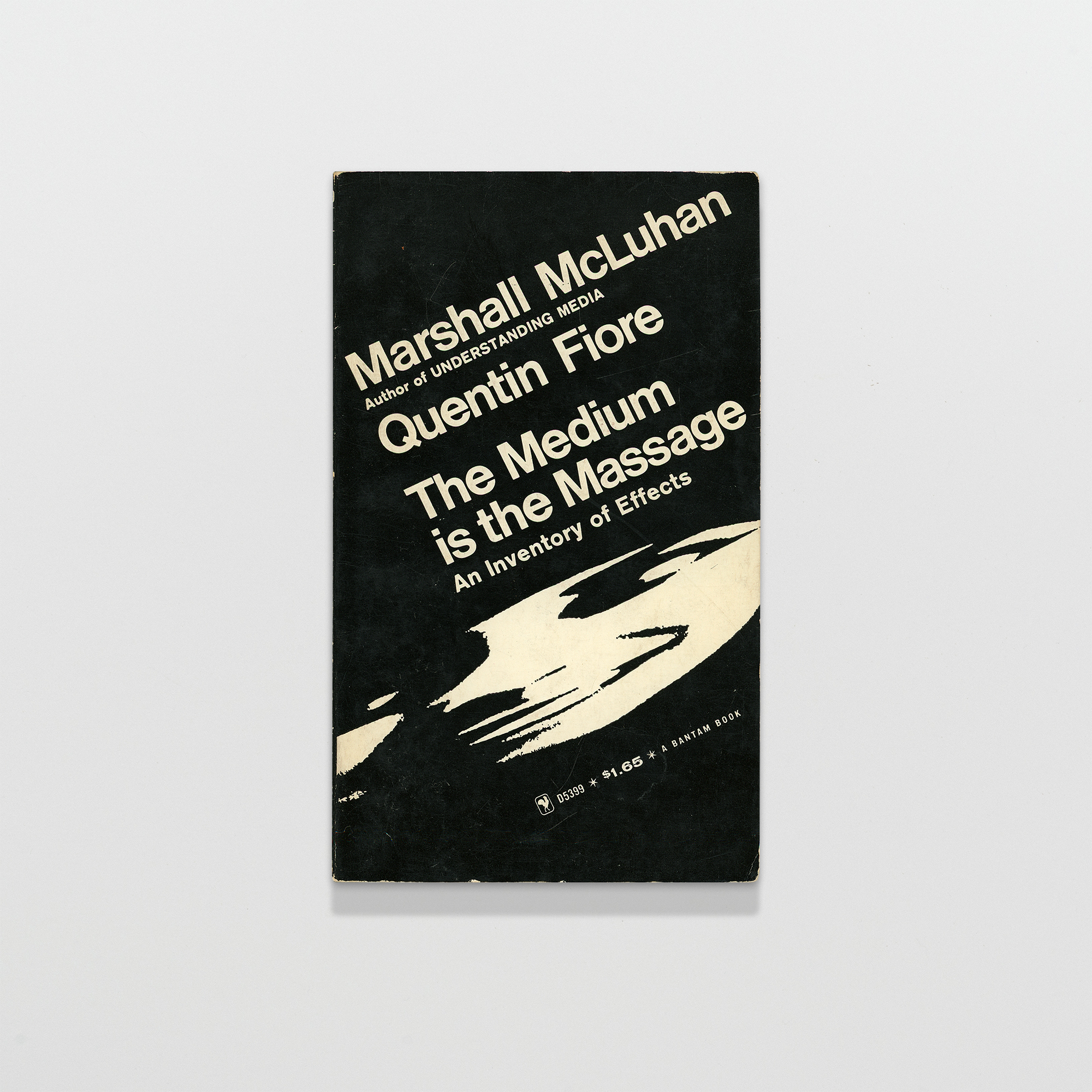
—Reading discussion,
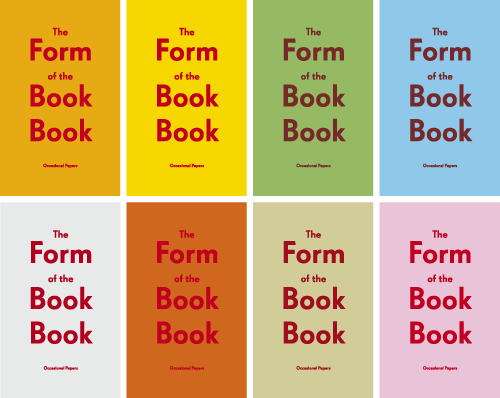
—Identity complete
—Book Content Due
Week 9
Tuesday October 27th
—Reading Discussion,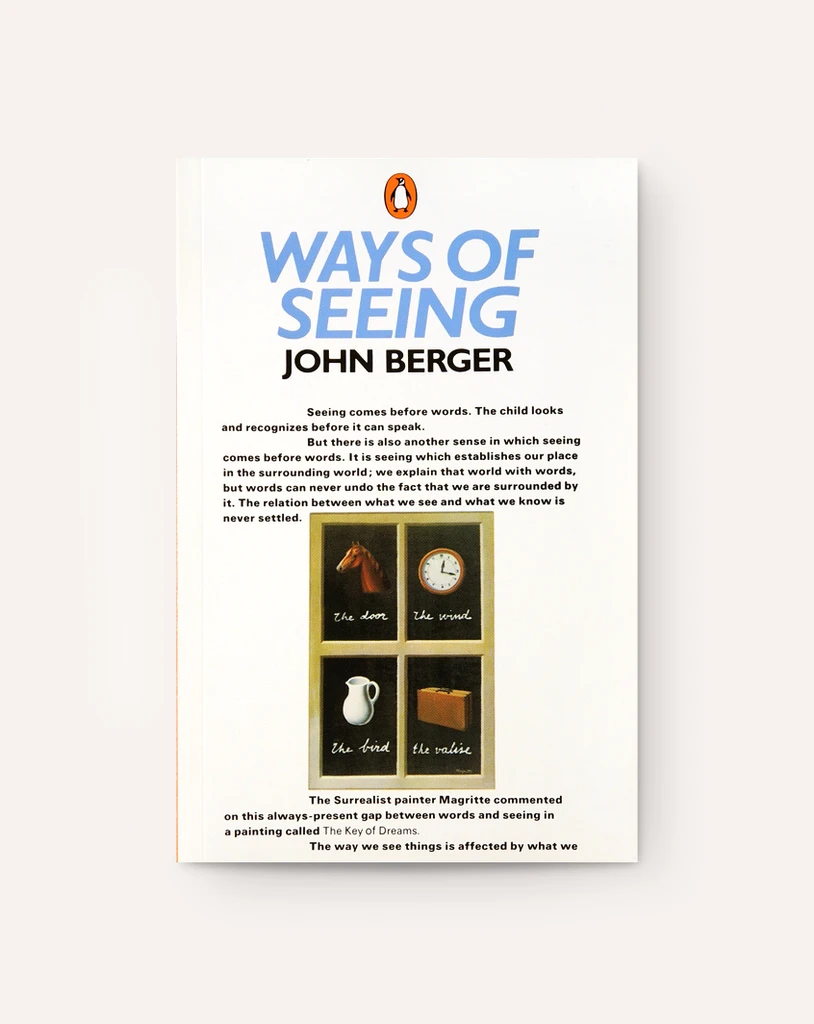
—Watch
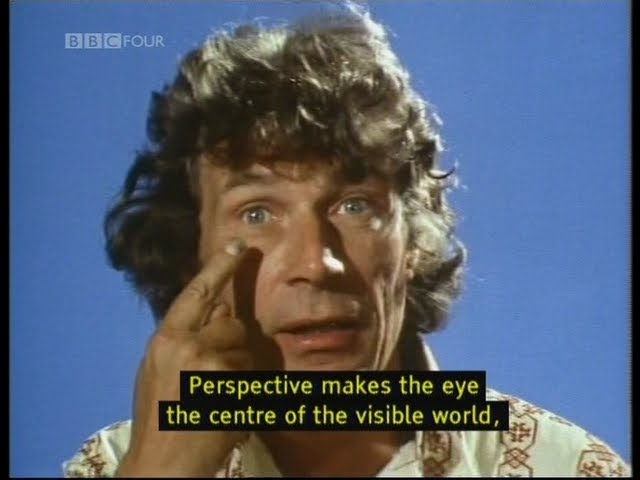
— Exercise partner up and pitch your book content to your partner, as if they were going to publish it, what makes it different and appealing?
—book progress, decide on page size based on publishing style, grids and some typographic styles
—see progress on alphabet
Week 10
Tuesday November 3rd
—Reading discussion,
— Lecture on Artist’s books and pushing the medium
—Look at
— Share a book that you found (or that you have) that was meaningful or inspiring to you in relationship to design
—continue working on book progress
Week 11
Tuesday November 10th
—Reading discussion,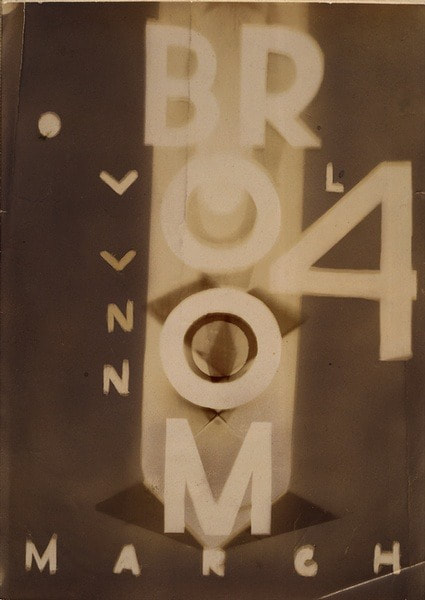
—Take a look at the
—Receive Dataset for infographic design project
—Book check ins final date to decide on publishing technique, have quotes and timeframe ready
—book progress
Week 12
Tuesday November 17th
—Reading discussion,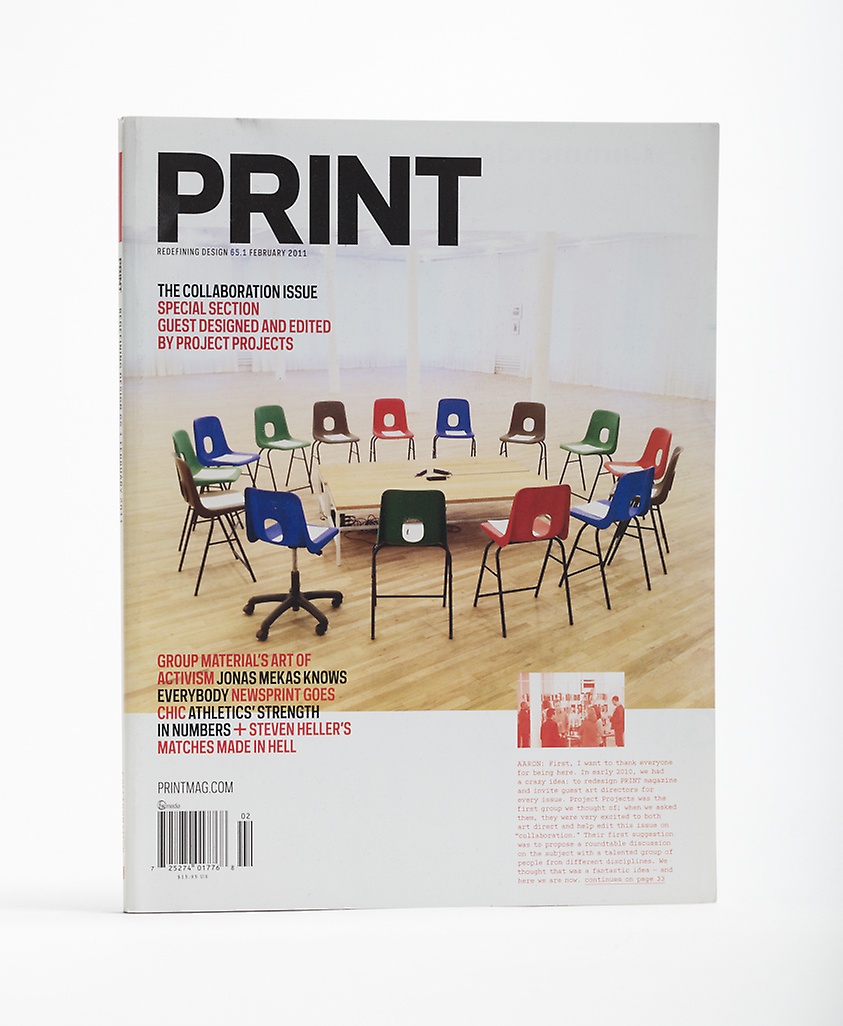
—Reading discussion,

— in class critique to share books
—book complete
Week 13
Tuesday November 24th
—Reading discussion,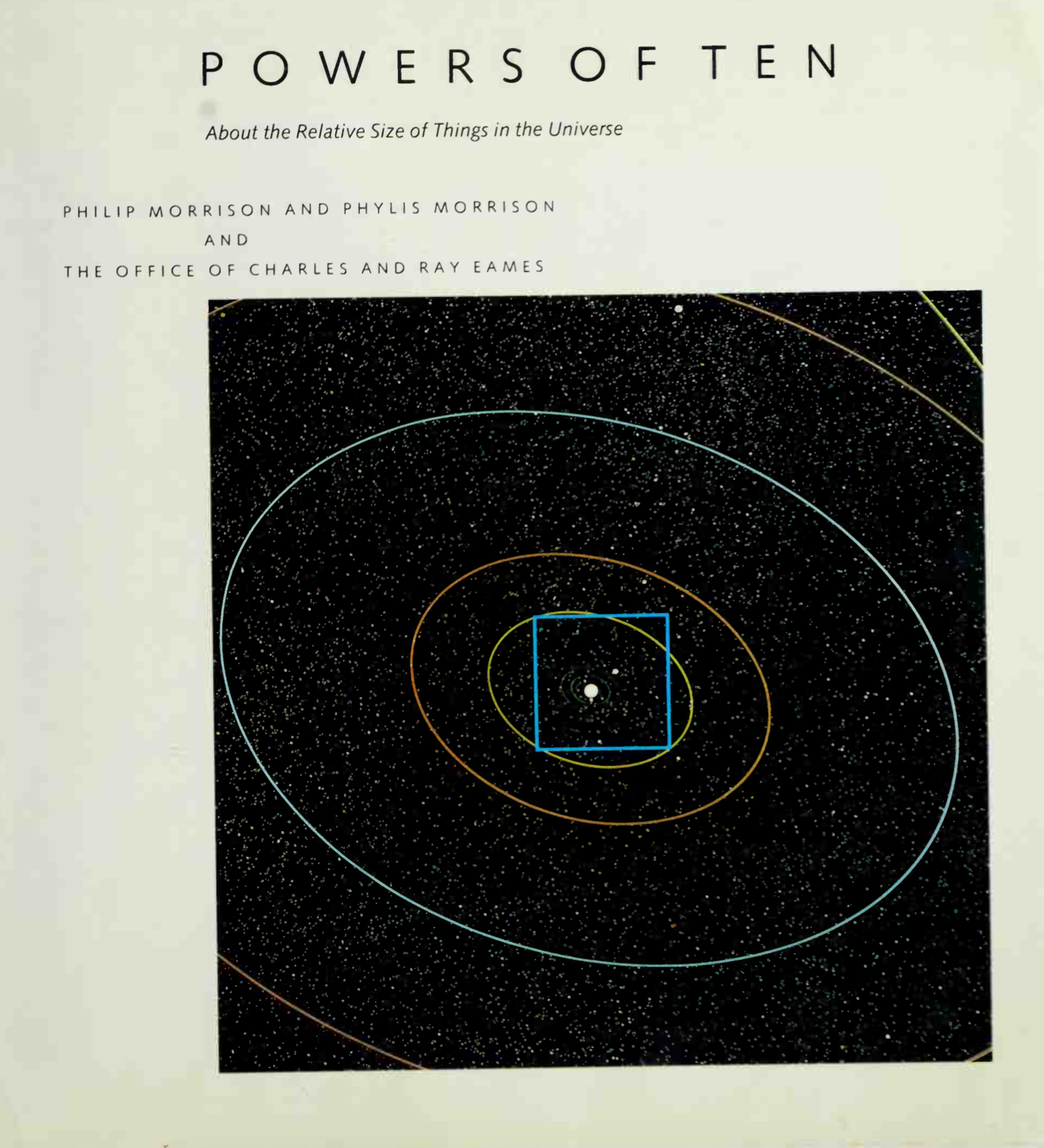
and Film
—Look at
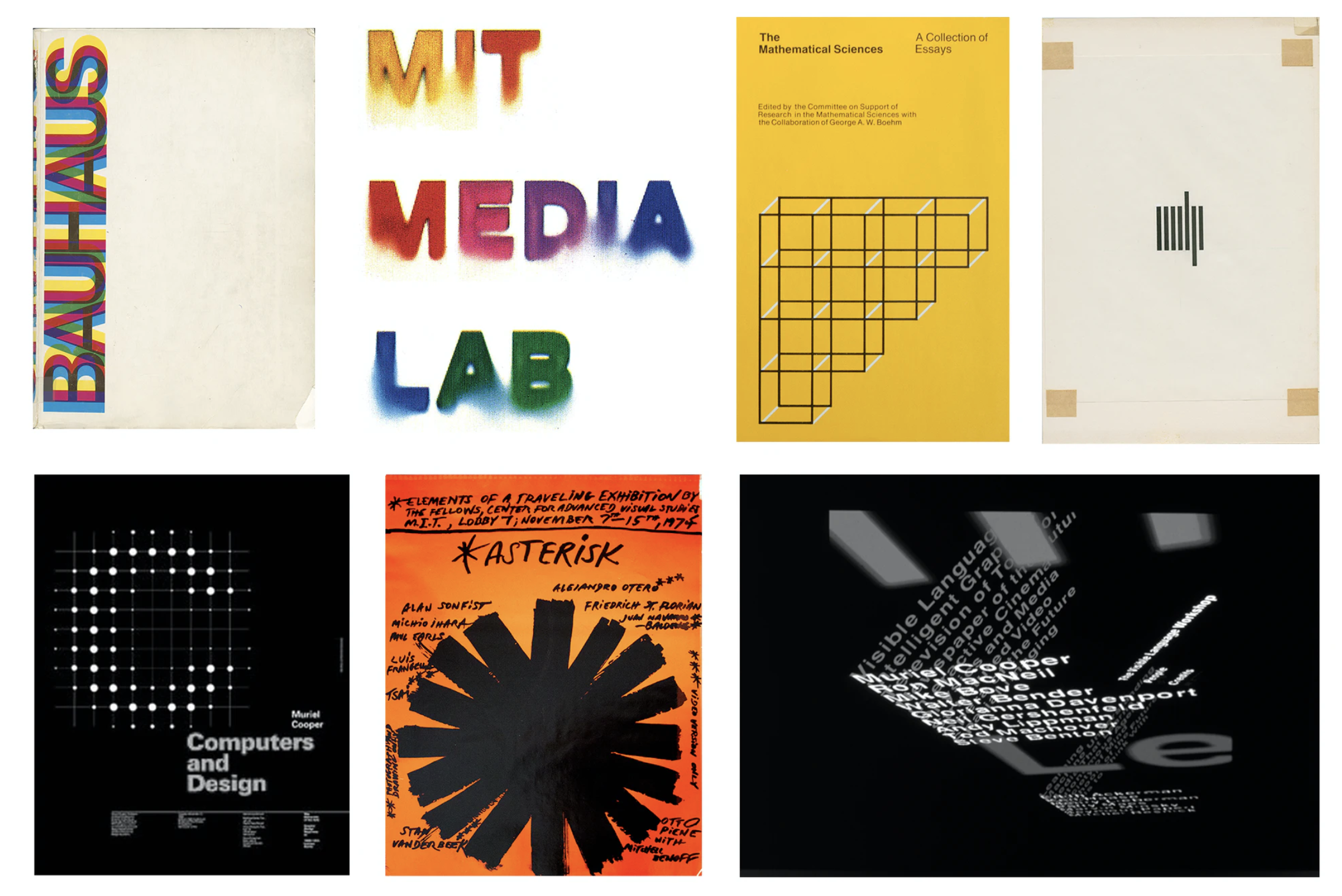
—Look at
—information design Lecture